
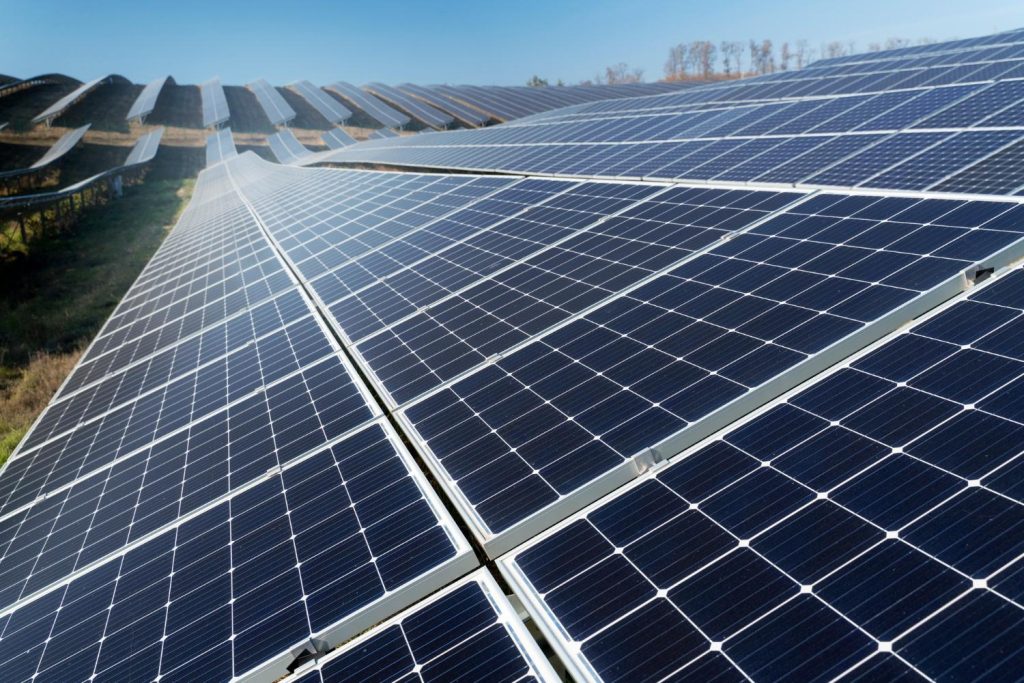
Are you curious about how solar energy powers homes and businesses? If so, understanding how photovoltaic systems work is a great place to start. A photovoltaic system, commonly known as a solar panel system, converts sunlight directly into electricity.
This technology is not just eco-friendly but also highly efficient in harnessing the power of the sun. In this beginner’s guide, we’ll break down the basics of how photovoltaic systems function, the components involved, and why they’re such a great energy solution.
What is a Photovoltaic System?
A photovoltaic system is a renewable energy solution that generates electricity by using solar panels made up of many solar cells. These cells are designed to capture sunlight and convert it into electrical energy.
When sunlight hits the surface of the solar cells, it excites electrons in the material, creating an electric current. This process is called the photovoltaic effect, which is where the system gets its name.
Photovoltaic systems are commonly used in homes, businesses, and even on larger scales in solar farms. They are a clean, green alternative to traditional forms of energy like coal or gas, helping reduce carbon emissions and reliance on fossil fuels.
Components of a Photovoltaic System
A photovoltaic system consists of several key components that work together to convert sunlight into usable electricity. Here are the main parts:
- Solar Panels – The most visible part of a photovoltaic system. Solar panels contain many individual solar cells made from semiconductors (usually silicon), which are responsible for absorbing sunlight and converting it into electricity.
- Inverter – Once the solar panels generate DC (direct current) electricity, the inverter converts this to AC (alternating current) electricity, which is the type of power used in most homes and businesses.
- Mounting System – This structure holds the solar panels in place, whether on the roof of a building, on the ground, or in a solar farm.
- Battery Storage (Optional) – Some photovoltaic systems include batteries to store excess energy generated during the day, which can then be used at night or during periods of low sunlight.
- Electric Meter – This device tracks the amount of electricity produced by your photovoltaic system and may be connected to the grid. If your system produces more energy than you need, the excess can be fed back into the grid, and in some cases, you may receive credits for this surplus power.
How Does a Photovoltaic System Work?
When sunlight hits the solar panels, the solar cells within the panels begin to absorb the light. This light energy excites electrons in the material of the cells, causing them to move. These moving electrons create an electric current, which is then captured and directed through electrical wiring.
This direct current (DC) electricity is not suitable for most home appliances, so the inverter steps in. It converts the DC electricity into alternating current (AC), which is the type of electricity your home or business uses.
If your photovoltaic system is connected to the grid, any excess energy can be sent back, often leading to a reduction in your electricity bill. Alternatively, if you have battery storage, the extra energy can be stored for later use when the sun isn’t shining.
Why Choose a Photovoltaic System?
Photovoltaic systems are not just good for the environment, but they can also save you money in the long run. Solar energy is a renewable resource, meaning it won’t run out. As energy costs continue to rise, photovoltaic systems allow homeowners and businesses to generate their own power, reducing their reliance on expensive utility companies.
In addition to cutting costs, photovoltaic systems reduce your carbon footprint by generating clean energy. Since they don’t produce harmful emissions like traditional power plants, they contribute to the fight against climate change.
Final Thoughts
A photovoltaic system offers an excellent way to harness the sun’s energy for your home or business. It works by converting sunlight into electricity through the photovoltaic effect, with key components like solar panels, an inverter, and an optional battery storage system.
Whether you’re interested in saving money, reducing your carbon footprint, or simply embracing renewable energy, a photovoltaic system is an investment that pays off.