
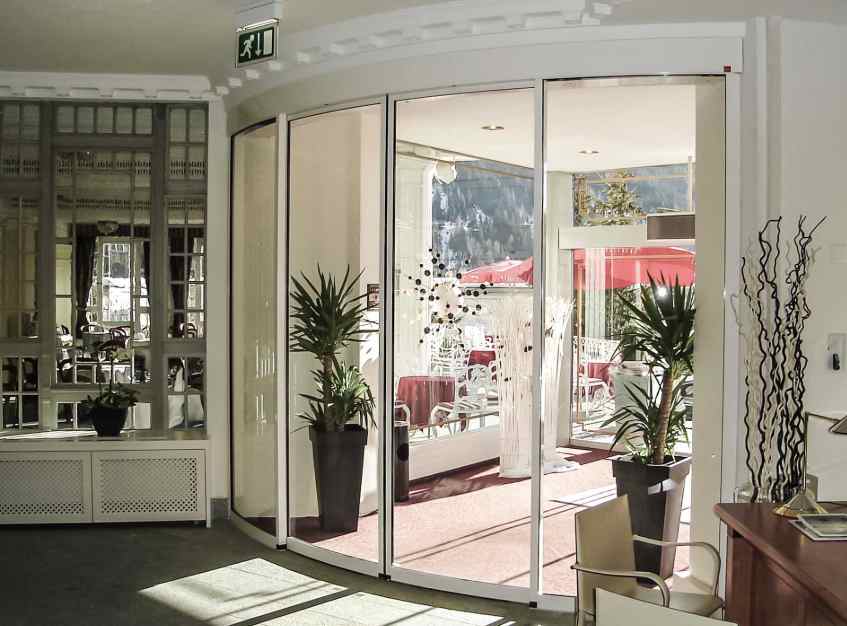
Modern buildings are no longer limited to straight lines and flat surfaces. Today, architects and property owners are turning to curved doors to create visually impressive and highly functional entrances. These doors offer a sleek, contemporary look while improving access and flow.
From commercial spaces to high-end retail stores and corporate buildings, curved doors combine style with performance. They are designed to make a strong first impression while delivering smooth and reliable operation.
Why Curved Doors Are Gaining Popularity
Curved doors stand out because of their unique design and ability to enhance building aesthetics. Unlike traditional sliding or swing doors, they create a seamless and sophisticated entrance.
They also provide practical benefits, especially in busy commercial environments where appearance and functionality are equally important.
Key Advantages of Curved Doors
- Striking Visual Appeal: Instantly enhances the architectural design of any building.
- Smooth Traffic Flow: Allows natural movement of people in and out.
- Space Efficiency: Designed to maximise entry space without obstruction.
- Custom Design Options: Available in various sizes and glass finishes.
- Automation Compatibility: Can be integrated with advanced sensor systems.
These features make curved doors a preferred choice for businesses aiming to create a premium look.
Ideal Applications for Curved Doors
Curved doors are commonly installed in commercial and high-traffic environments. Their design suits locations where both presentation and practicality matter.
They are frequently used in hotels, shopping centres, airports, hospitals, and corporate offices. In these settings, they help manage large volumes of foot traffic while maintaining a professional appearance.
Beyond commercial use, some luxury residential properties also incorporate curved doors to create a modern architectural statement.
Design and Customisation Options
Choosing curved doors allows flexibility in design. Property owners can select frame finishes, glass types, and automation features that match the overall theme of the building.
Frameless glass options create a clean and minimal look, while framed systems provide additional durability and structural support. Tinted or energy-efficient glazing can also improve privacy and temperature control.
With proper planning, curved doors can complement both contemporary and classic architectural styles.
Performance and Safety Features
Curved doors are not only about appearance. They are built with advanced technology to ensure smooth and safe operation.
Most systems include motion sensors that detect approaching users and prevent accidental contact. Safety glass and controlled speed settings further enhance protection.
Regular maintenance ensures consistent performance, especially in high-traffic areas. Professional servicing helps extend the life of the system and maintain operational reliability.
Conclusion
Installing curved doors is a long-term investment in both design and functionality. Their ability to improve building access while elevating visual appeal makes them a valuable addition to modern properties.
Before installation, consider entry size, daily traffic levels, and automation requirements. Working with experienced professionals ensures correct fitting and optimal performance.
With the right system in place, curved doors can transform an ordinary entrance into a standout architectural feature that leaves a lasting impression.