
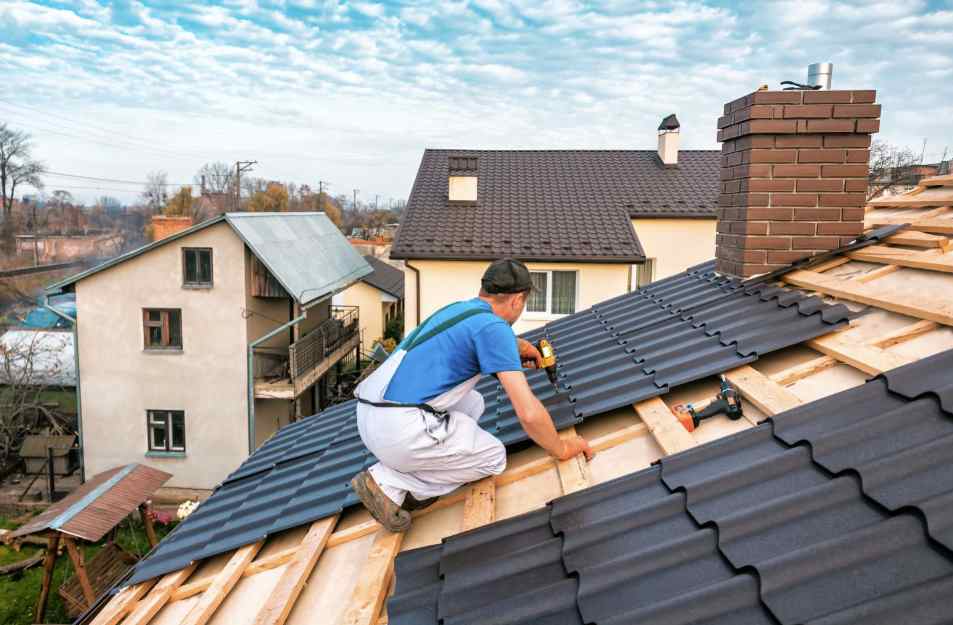
The decision to use metal roofing is usually made quickly — it’s the obvious choice for Auckland conditions and most homeowners or builders arrive at it without much deliberation. The decision about which type of metal roofing takes longer and gets more consideration than it probably should.
Profile choice isn’t primarily an aesthetic decision, though aesthetics matter. It’s a performance decision. Each profile has minimum pitch requirements, fastening systems, water management characteristics, and cost profiles that make it right for certain applications and wrong for others.
Corrugated: The Profile That Earned Its Place
Corrugated iron has been on New Zealand roofs for longer than almost any other building material in continuous use. The modern Colorsteel version shares the wave profile of the original but little else: eight-layer paint system, zinc/aluminium alloy substrate, NZ-manufactured for NZ conditions, with warranties suited to the exposure environment of the installation.
The practical minimum pitch for corrugated in standard Auckland conditions is 8 degrees after deflection. For roofs at or close to this minimum, drainage performance needs to be validated rather than assumed. Corrugated also suits re-roofing projects where the existing batten layout and structure were designed for the profile — like-for-like replacement avoids the structural modifications that changing profile can require.
Longrun Trapezoidal: The Contemporary Workhorse
Trapezoidal profiles — the ribs running the sheet length rather than across it — are the dominant choice for contemporary residential and commercial metal roofing in New Zealand. The rib geometry provides high stiffness in the span direction, which allows longer spans between battens than corrugated profiles at equivalent gauge.
For contemporary Auckland homes — the flat-ish modern boxes, the elevated decks, the clean horizontal architectural lines — trapezoidal longrun reads as architectural rather than heritage. For villas, bungalows, and buildings with steeper pitches and more traditional character, corrugated usually suits better. Neither is objectively superior. Both are correct for their context.
Standing Seam: When the Roof Is Part of the Architecture
Standing seam metal roofing uses concealed clips rather than penetrating fasteners. The panels interlock at raised seams that run from ridge to gutter, creating a smooth unbroken surface with no visible fixings from above. Technically, the concealed fixing system eliminates the fastener penetration points that are the primary water ingress risk on longrun systems. Every screw through a Colorsteel sheet is a potential entry point if the neoprene washer deteriorates. Standing seam has no screws through the sheet.
The cost premium over corrugated and trapezoidal longrun is real — standing seam requires more material, more precision installation time, and typically more skilled installers. For the applications it suits — architecturally designed homes where the roof is a visible design element — the premium is usually justified.
Tray Roofing: The Solution for Complex Modern Geometry
Contemporary Auckland residential architecture increasingly features roofs with multiple planes, low pitches, and internal gutters — configurations that don’t suit standard longrun profiles. Tray roofing addresses this. A tray profile is formed with raised edges that contain water within the tray rather than relying entirely on pitch to direct it to gutters. This allows reliable water management at pitches below the minimum for conventional longrun profiles.
Tray roofing is more expensive than longrun and requires a higher level of installation precision — particularly at junctions between tray sections and at internal gutter connections. It’s the right answer for the specific applications it addresses and not the right answer for a standard residential re-roof where conventional longrun would perform.
Frequently Asked Questions
Which metal roofing profile is cheapest for a standard Auckland house?
Corrugated and standard trapezoidal longrun are comparable in material cost. Standing seam and tray roofing carry significant cost premiums and are appropriate for specific applications rather than general residential re-roofing. For a standard gabled residential roof, longrun corrugated or trapezoidal is the cost-effective specification.
Can I change from corrugated to trapezoidal on a re-roof?
Yes, but with considerations. Batten spacing may need adjustment. Flashing details change between profiles. The building consent requirement is triggered by changing profile on some configurations. A specialist will assess what’s involved for the specific roof before quoting.
Is standing seam worth the extra cost?
For architecturally designed homes where the roof is a visual element and concealed fixings are part of the design intent, yes. For standard residential re-roofing where weather protection is the objective and visual distinction isn’t, the cost premium over longrun is hard to justify on performance grounds alone.
What’s the correct fastener for metal roofing in Auckland?
Fastener specification depends on the profile, the substrate, the wind loading zone, and the Colorsteel product grade. Incorrect fastener specification is a surprisingly common source of long-term performance issues — undersized washers, incorrect length, or incompatible materials cause problems that don’t appear at installation but develop over years.
The Profile Follows the Building
Metal roofing profile selection done correctly starts with the building — its pitch, its style, its geometry, its use, and its budget — and works toward the profile that best serves those parameters. Cowperthwaite Roofing specifies and installs the full range of Auckland metal roofing profiles — corrugated, longrun trapezoidal, standing seam, and tray — for residential and commercial projects across the region. Get in touch at aucklandroofing.com.