
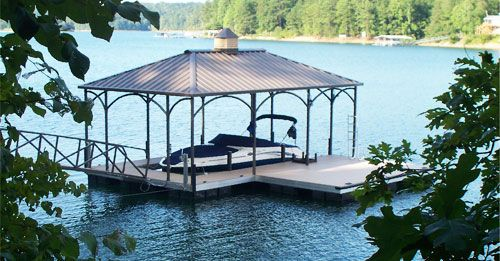
A renovation of the property located along the shore will certainly add a completely new dimension of practicality and aesthetics to it. If you operate a marina, own a house on the lakeside, or simply need an improved means of accessing the waters, the choice of foundation must be appropriate. Among all the types of materials currently used for the construction of water access facilities, aluminum boat docks keep raising the bar, being the most desirable ones by far. This is because aluminum docks combine high structural stability, maintenance-free operation, and flexibility.
Why Choose Marine-Grade Aluminum Docks?
Years back, most property owners would use either pressure-treated wood or heavy-duty steel structures for constructing their docks. But the marine-grade aluminum alloy, such as 6061-T6, has revolutionized the whole process of construction. Wood is always exposed to moisture and hence results in warping, splintering, and rotting. This, therefore, requires continual sealing or even replacement of the boards. Conversely, conventional steel provides an additional burden of weight along with the continuous battle against rust, especially near saltwater or brackish areas.
The marine-grade aluminum forms a thin and transparent layer of oxide that protects the metal from any form of water damage, salt air, and even sun exposure. Due to the protective layer of oxide, there is no need for coating or any other chemicals to protect it from corrosion.
Evaluating Your Shoreline and Water Conditions
All shorelines react differently to the same forces. Before choosing what type of dock system is right for you, you first need to take a step back and assess the unique nature of your shoreline.
- Variability of Water Levels: Rivers or lakes that fluctuate due to seasonal rain, tides, or the release of water from power dams will benefit from floating docks, which follow the fluctuations of the water level.
- Lake Bed Depth and Nature: If there is a deep drop-off into the water or a soft bottom covered with silt, driving pilings into the lake bed becomes a nightmare. In such cases, floating frames are preferred over fixed frames.
- Intense Waves and Ice Movement: If waves and/or ice cause your shoreline to shift, you will need a trussed and flexible frame to withstand the constant shifting of the pressure without being destroyed.
Floating vs. Stationary Aluminum Systems
Whether you choose to build a floating structure or a stationary dock is determined by your own assessment and your plans for daily use of the dock.
-
Stationary Docks
A stationary pier sits directly on robust legs or pilings anchored in the bottom. A stationary dock provides you with a firm and stable surface to walk on as though it were a regular land deck. They work perfectly in shallow, tranquil waters with relatively constant depth all year round. Due to their lightness, seasonal stationary docks are easy to lift or adjust before winter freeze occurs.
-
Floating Docks
A floating structure is made up of polyethylene drums filled with foam, which are mounted under a custom-made metallic frame. It ensures that your deck is always at the same height above the water level; hence, you can easily embark on and off the boat or kayak from the structure. The proper selection of aluminum boat docks will guarantee the stability of your floating structure.
Customizing Your Dock Layout
An ideal waterfront design creates the perfect harmony between aesthetic value and functional purpose. The use of modern modular dock designs allows for complete flexibility when it comes to creating a layout suited to your family or guests’ boating needs.
- Shape of Platforms: It is possible to design straight pier docks to have L-shape, T-shape, or U-shaped slips that provide individual places for boats, loungers, or swimming areas.
- Size of Boat Slips: Ensure that the size of your slips can adequately accommodate your present boat while still leaving some room for improvements such as boat lifts or ramps for your personal watercraft.
- Selection of Decking: Complete your metal substructure with comfortable composite decking, non-slip PVC, or even aluminum grid panels that allow sunlight to reach below deck.
Safety, Accessibility, and Accessories
Guests’ safety and comfort should be at the forefront of all your design priorities. It is incredibly easy to install customized accessories through aluminum frame channels without drilling any holes or damaging protective coatings on structural components. Tracks on the perimeter give you the flexibility to install cleats, dock bumpers, corner ladders, and solar lights wherever you want along the edges.
If your boat welcomes children, older people, or people outside your family, good decisions for accessibility are crucial. Transition walkways with handrails and non-slippery surfaces provide a secure way of walking over all sections. The installation of tough rubber bumpers on slippery edges prevents the boat from getting any scratches while docking.
Conclusion
The creation of an attractive waterfront starts with striking a balance between quality construction, environmental factors, and practicality. With the use of durable aluminum boat docks, you set the base for the improvement of your whole property for years to come. No matter whether you prefer a floating or fixed dock solution according to the changing water levels in your area, aluminum is here to provide you with both the power and the attractive look of your dock. To get more information on aluminum boat docks, head to experts such as Flotation Systems Aluminum Boat Docks!
Frequently Asked Questions
-
Why prefer aluminum boat docks to wooden or steel ones?
Aluminum boat docks are highly durable, sturdy, and resistant to corrosion as opposed to wooden or steel docks. The reason is that wood is highly susceptible to rotting, splitting, and sealing, whereas steel rusts easily in aquatic environments. Aluminum does not experience any of these challenges since it creates a smooth and resilient surface.
-
Is it safe to use aluminum docks in a saltwater environment?
Yes, aluminum docks are highly suitable in both fresh and saltwater environments. The reason is that aluminum has high resistance to corrosion since it develops a protective film on its surface, which prevents corrosion from occurring. The dock will be even more resistant in saltwater when combined with stainless steel fasteners and isolation material.
-
How does the aluminum boat dock deal with fluctuating water levels?
The floating aluminum boat docks are made using sturdy and foam-filled floats underneath the metal framework and maintained by means of pile guides, sturdy arms, or anchor cables. This enables the whole dock to slide up and down easily according to the water level fluctuations.
-
Can I change the configuration of the aluminum dock?
Yes, today’s aluminum docks feature modular frames that come with channels which enable easy customization of the design. You will be able to install boat slips, kayak launchers, swim platforms, cleats, roofs, and lighting fixtures without even having to drill holes in the structural sections of the dock. As you buy more boats, you can always modify the frame whenever you want.
-
What is the maintenance of the aluminum dock system?
An aluminum dock system requires hardly any maintenance at all. Cleaning the deck and the metal frame by rinsing off with water and mild soap removes the dirt, pollen, and lake deposits. Checking out the connection pins, hinges, and anchors once or twice a year will keep your dock safe and functioning properly.