
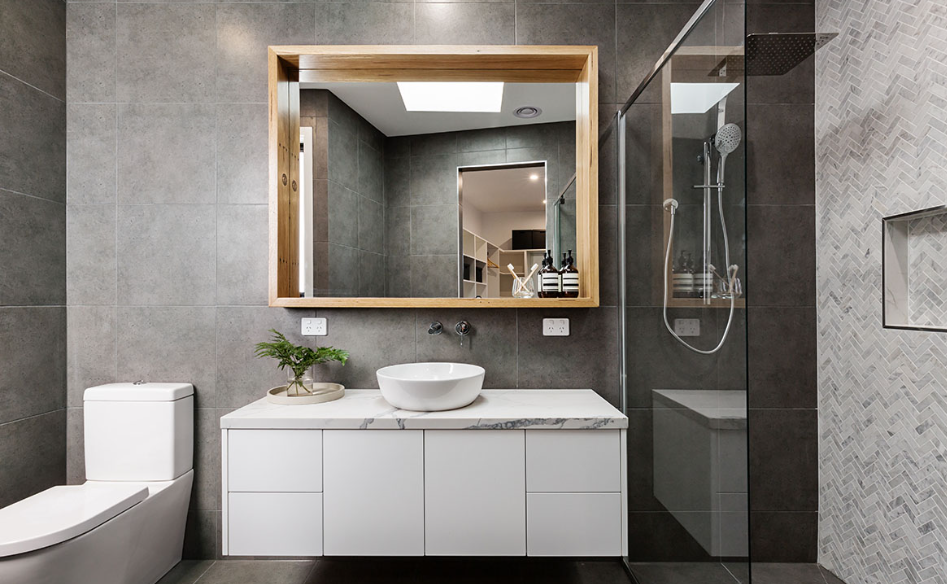
Equal access is a matter of inclusivity for individuals with mobility challenges or disabilities, including bathroom renovation services. The design of bathrooms plays a pivotal role in ensuring that these spaces are accessible to everyone. This is where bathroom renovation ensures spaces that are safe, functional, and welcoming for all.
The Importance of Accessible Bathrooms
Accessible bathrooms are not a luxury; they are a necessity. They are designed to accommodate people with varying abilities, making daily routines easier and safer. The benefits of accessible bathrooms extend from increased independence for individuals with disabilities to the convenience they offer to families with young children or elderly members.
Assessing Individual Needs and Requirements
Each person’s accessibility needs are unique, so it’s essential to assess what modifications are necessary. Consulting professionals who specialize in accessible design can help you determine the feasibility of these modifications.
Consider creating a checklist of potential accessibility features to guide your renovation process of plumbing and bathroom renovation. This includes wider doorways, lower countertop heights, and lever-style faucets for easy use.
Functional Layout and Space Optimization
This includes creating clear pathways, ensuring doorways are wide enough for wheelchair access, and adopting an open floor plan to maximize manoeuvrability. Simple rearrangements of fixtures and furniture can significantly improve accessibility, such as strategically placing the sink, toilet, and shower.
Safety and Supportive Features
Installing grab bars near the toilet and shower, choosing non-slip flooring, and ensuring proper lighting are all essential elements. Additionally, fixtures like adjustable height sinks and toilets accommodate users of different heights. Accessible showers and bathtubs with built-in seating and hand-held showerheads provide convenience and safety.
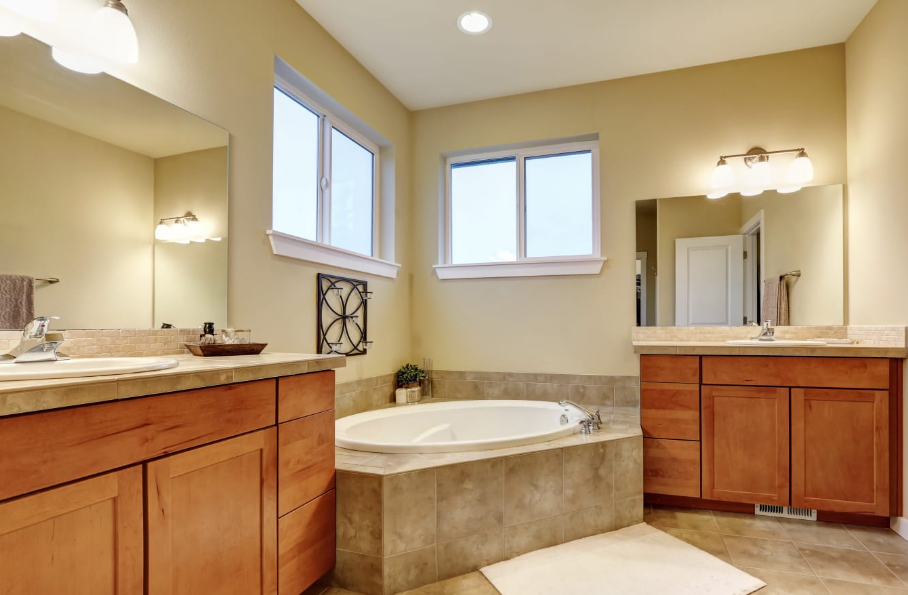
Choosing Suitable Materials and Finishes
Selecting the right materials and finishes is vital in creating an accessible bathroom. Look for slip-resistant flooring, easy-to-clean surfaces, and water-resistant materials. These choices not only enhance safety but also contribute to the long-term usability and aesthetics of the space.
Assistive Technology and Smart Solutions
Embrace the power of technology in creating accessible bathrooms. Assistive technology, such as voice-activated controls, motion sensor faucets, and automated lighting, can significantly improve the user experience. These innovations can be seamlessly integrated into bathroom renovations, adding an extra layer of convenience.
Conclusion
Accessible bathrooms are not just a matter of convenience; they are a matter of inclusivity and respect. Bathroom renovation services play a pivotal role in making bathrooms safe and functional for everyone. By prioritizing accessibility in bathroom design, we can create spaces that are truly welcoming and accessible to all individuals, regardless of their abilities.